%2Ffit-in%2F250x250%2Fguide_websites%2F34678%2Fimages%2F1754050033396allowayoutfitterslogo1.jpg&w=1920&q=100)
/users/4d25e75e-89a4-43a2-9ff0-17bd98cef67f/ratecard/fam-misatlhh.jpg)
%2F300x300%2Fusers%2F4d25e75e-89a4-43a2-9ff0-17bd98cef67f%2Fratecard%2Ffam-misatlhh.jpg&w=256&q=75)
%2F300x300%2Fusers%2F4d25e75e-89a4-43a2-9ff0-17bd98cef67f%2Fimages%2Fcrappie-fishing-wisconsin-2800.jpg&w=256&q=75)
%2F300x300%2Fusers%2F4d25e75e-89a4-43a2-9ff0-17bd98cef67f%2Fimages%2Fanglers-excellent-fishing-crandon-2720.jpg&w=256&q=75)
%2F300x300%2Fusers%2F4d25e75e-89a4-43a2-9ff0-17bd98cef67f%2Fimages%2Ffisherman-crandon-catch-2744.jpg&w=256&q=75)
%2F300x300%2Fusers%2F4d25e75e-89a4-43a2-9ff0-17bd98cef67f%2Fimages%2Fsauger-fish-caught-wi-2944.jpg&w=256&q=75)
%2F300x300%2Fusers%2F4d25e75e-89a4-43a2-9ff0-17bd98cef67f%2Fimages%2Ffishing-trip-wisconsin-2827.jpg&w=256&q=75)
%2F300x300%2Fusers%2F4d25e75e-89a4-43a2-9ff0-17bd98cef67f%2Fimages%2Fangler-triumph-crandon-2655.jpg&w=256&q=75)
%2F300x300%2Fusers%2F4d25e75e-89a4-43a2-9ff0-17bd98cef67f%2Fimages%2Fsauger-fish-crandon-2657.jpg&w=256&q=75)
%2F300x300%2Fusers%2F4d25e75e-89a4-43a2-9ff0-17bd98cef67f%2Fimages%2Fcrandon-walleye-catch-2442.jpg&w=256&q=75)
%2F300x300%2Fusers%2F4d25e75e-89a4-43a2-9ff0-17bd98cef67f%2Fimages%2Fanglers-walleye-triumph-crandon-2690.jpg&w=256&q=75)
%2F300x300%2Fusers%2F4d25e75e-89a4-43a2-9ff0-17bd98cef67f%2Fimages%2Fsuccessful-fishing-wisconsin-2651.jpg&w=256&q=75)
Forest County's Top-Rated Family Fishing Trip
What you will be catching:
 Crappie
 Muskellunge
 Northern Pike
 Walleye
- Half-day guided fishing experience on calm Forest County lakes
- All equipment provided with beginner-friendly instruction included
- Early morning departure accommodates families with up to four guests
Trip Pricing and Availabilities:
Family Fishing Fun on Forest County Lakes
Ready for some quality time on the water with the kids? Join Ryon Alloway for a laid-back morning of fishing on the quiet lakes of Forest County, Wisconsin. This half-day trip is tailor-made for families looking to wet a line without any fuss. Whether you're teaching the little ones to cast or hoping to land a trophy walleye yourself, Ryon's got you covered with all the gear and know-how you'll need.
Trip Overview
Picture this: You're out on glassy waters as the sun climbs over the pines, with Metonga or Pickerel Lake stretching out before you. For four hours, you'll cruise to Ryon's favorite fishing holes, where the crappie are biting and the walleye are lurking. This isn't about rushing from spot to spot or pressure to land the big one – it's all about having a good time and maybe learning a thing or two about fishing. Ryon's easygoing style makes this perfect for first-timers and seasoned anglers alike. He'll show you the ropes, from baiting hooks to reading the water, all while keeping things fun for the whole family.
What to Expect on the Water
When you hop aboard Ryon's boat at 7 AM, you'll find everything set up and ready to go. He's got rods, reels, and tackle all sorted, so you just need to bring yourself and maybe a snack. You'll start with some basic casting lessons if needed, then it's off to where the fish are biting. Ryon's got a knack for finding the sweet spots where crappie school up or walleye hang out near drop-offs. He'll show you how to jig for panfish or troll for bigger game like northern pike. And don't worry if you get a tangle – Ryon's there to help with any snags or questions. The pace is nice and easy, perfect for kids who might need breaks or adults who just want to soak in the scenery.
Top Catches This Season
Forest County's lakes are teeming with a variety of fish, and each season brings its own highlights. In the spring, you might find yourself reeling in slab crappies as they move into the shallows. Summer's the time when walleye fishing heats up, especially during those early morning hours. If you're lucky, you might even hook into a feisty northern pike or the elusive musky – known as the fish of 10,000 casts. Ryon knows these waters like the back of his hand and can put you on the fish that are biting best during your trip. He'll teach you the right techniques for each species, whether it's a subtle jigging motion for crappie or the perfect trolling speed for walleye.
Species You'll Want to Hook
Crappie: These tasty panfish are a favorite for good reason. They school up in large numbers, making for fast action when you find them. In Forest County, you can catch both black and white crappie, with some real slabs pushing 14 inches or more. They're perfect for kids because they bite readily and put up a fun fight on light tackle. Spring and early summer are prime times, but Ryon knows how to find them year-round.
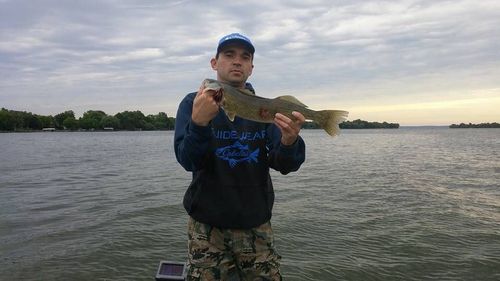
Walleye: The prized catch of many Wisconsin anglers, walleye are known for their excellent table fare and challenging nature. They've got keen eyesight and tend to be most active in low light conditions, which is why we start early. Forest County lakes like Metonga are known for producing some hefty walleye, with fish over 20 inches not uncommon. Ryon will show you how to work a jig along the bottom or troll crankbaits to entice these marble-eyed predators.
Northern Pike: If you're after a fish with some serious attitude, northern pike fit the bill. These toothy critters are aggressive feeders and can grow to impressive sizes in Forest County waters. Pike fishing really picks up in early summer and continues strong through fall. They're known for their powerful runs and acrobatic jumps when hooked. Ryon will teach you how to handle these fighters safely and might even share his secret spots where the big ones lurk.
Muskellunge (Musky): The legendary musky is the ultimate challenge for many anglers. These elusive predators can grow over 50 inches long and are known for their brutal strikes and powerful fights. While they're not as common as other species, Forest County has some excellent musky waters. If you're up for the challenge, Ryon can show you the basics of musky fishing. Just remember, patience is key – they're called the fish of 10,000 casts for a reason!
Why Anglers Keep Coming Back
Folks who fish with Ryon tend to book again and again, and it's not hard to see why. It's not just about the fish – though there are plenty of those. It's about the whole package. You've got the pristine waters of Forest County as your backdrop, with loons calling in the distance and maybe an eagle soaring overhead. Ryon's laid-back approach takes the pressure off, making it a true vacation on the water. For families, it's a chance to unplug and connect, creating memories that'll last a lot longer than any "big fish" story. And let's not forget the skills you'll pick up – whether it's your first time holding a rod or you're looking to fine-tune your technique, you'll leave a better angler than when you arrived.
Time to Book Your Spot
If you're itching to get out on the water and try your luck with Forest County's finned residents, now's the time to lock in your trip with Ryon Alloway. Remember, this half-day adventure is perfect for families, with room for up to four guests. Whether you're aiming to introduce the kids to the joys of fishing or just want a relaxed morning chasing walleye, Ryon's got you covered. All the gear is provided, so all you need to bring is your sense of adventure (and maybe a camera for those "first fish" photos). Don't let another season slip by without experiencing the best of Wisconsin's northwoods fishing. Give Ryon a call and get ready to make some waves – and maybe catch dinner while you're at it!
Learn more about the species
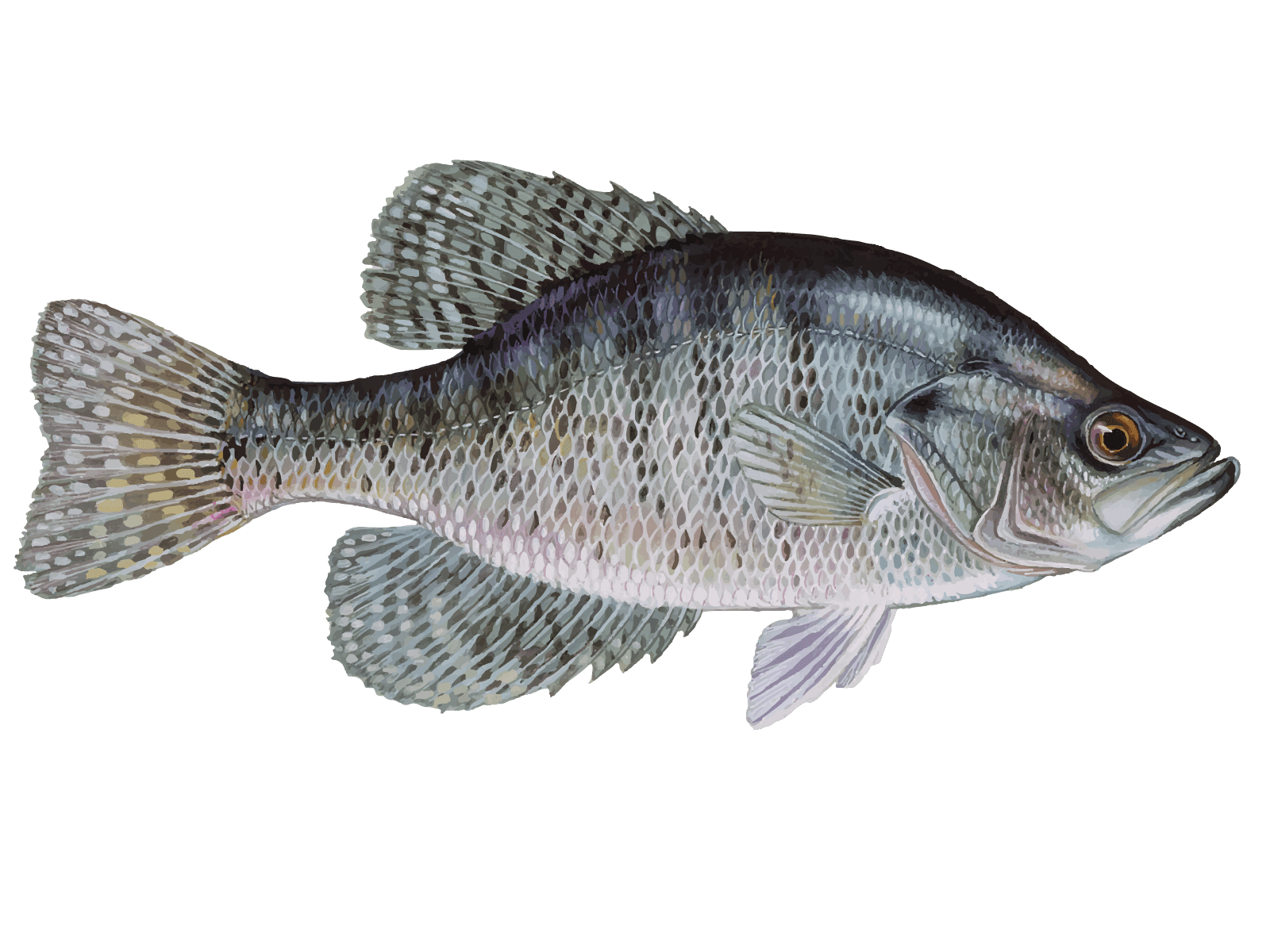
Crappie
Crappie (Poxomis)
Crappies are game fish and the largest members of the Centrarchidae family. They are present in nature as Black Crappie (Poxomis nigromaculatus) or and White Crappie (Poxomis annularus). Both the species are similar to each other, apart from few distinctions. White crappie will have vertical bars running the length of their body, and black crappie will have no discernible pattern and will just be speckled, hence their nickname, “specks". White crappie has 5-6 spines, and black crappie has 7-8 spines. Anglers often differentiate the two by body shapeGrenade Lake, Mississippi, and Reel foot Lake are considered among giant crappie lakes.
Crappie Habitat and Distribution
Both the crappies have a similar habitat, though black crappie prefers clearer water than white crappie. These fishes can be found in rivers, lakes, and backwater pools swimming in shallow waters or hiding among bushes, vegetation, or other covers.
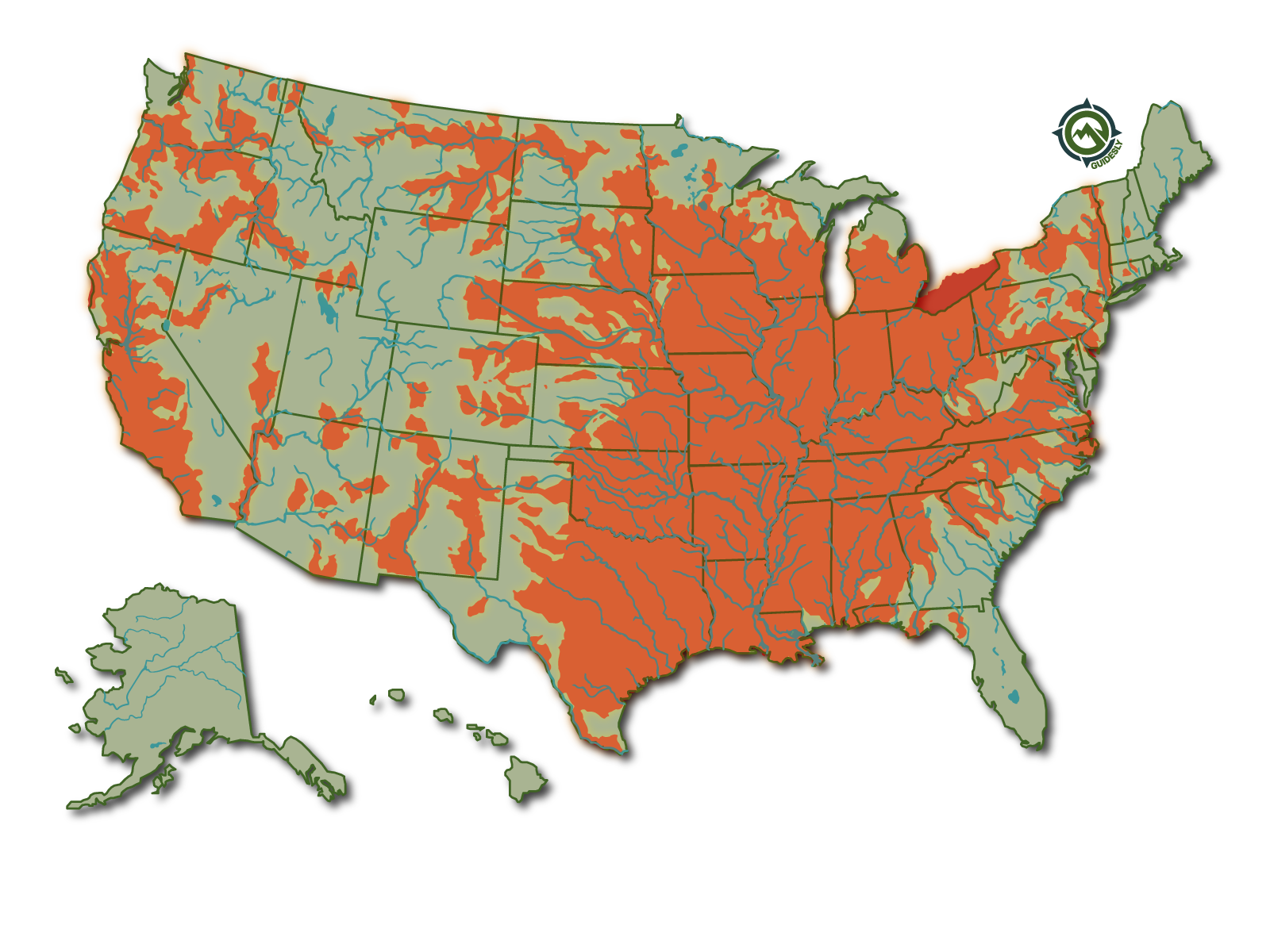
Crappie is native to Canada and the eastern States. It is a much-enjoyed game fish in North America and inhabits the Great Lakes, Hudson Bay, and the Mississippi River Basins.
Crappie Size and Weight
Crappie can be 7-12 inches long and weigh about 0.5-1 pounds.
Crappie Interesting Facts
Crappie is known for its tasty and white meat.
- Both Poxomis nigromaculatus and Poxomis annularus are less active during the day.
- Both the fishes have a different number of dorsal fin spines. White Crappie has 6 while Black Crappie has 7 or 8.
- Mouth of Black Crappie is larger and reaches mid-eye and has a resemblance to largemouth bass.
- Crappie travels in schools.
- Female lays 5000-60000 eggs.
- Crappie can live for 7 to 10 years.
Is Crappie Good to Eat?
Despite its name, crappie is an excellent source of nutrition, containing high amounts of protein and essential omega-3 fatty acids. Although it's not as popular as salmon or tuna, crappie can be a delicious addition to any healthy diet. They are known for their delicate taste and ease of preparation.
When cooked properly, crappie has a delicate flavor and flaky texture, making it perfect for grilling, frying, or baking. Moreover, because they are smaller fish than other common species, such as bass or catfish, the chances of mercury contamination in their flesh are much lower.
Crappie Spawning
Crappie spawning season begins in early spring and summer when the water temperature is 62 F-68 F. Male builds the nest in soft or gravelly spots, the female lays the eggs, and the male guards the nest. Eggs take 2 to 5 days to hatch.
Crappie Food
Depending on the age, Crappie victims consist of zooplankton, crustaceans, small fish, minnows, insects, gizzard or threadfin shads, and larvae of other game fishes.
Crappie Fishing
Crappie is most active at dawn or dusk. Anglers recommend using live bait and properly sized hooks, not too small, not too large.
Spin or Bait Fishing for Crappie:
Spin fishing for crappie is a popular angling technique used for years. The use of small lures, such as crappie spinners or jigs along the bottom with light tackle, makes it possible to catch these elusive fish with ease. Crappie spinner fishing involves using a spinning rod and reel setup to cast the lure out into the water and retrieve it in a steady fashion.
When fishing for crappie with a spinner, it's essential to choose the right size and color of the lure. Smaller lures are more effective when targeting this species due to their smaller mouths. Additionally, selecting colors that mimic the natural prey of crappie can help increase your chances of catching them. It's also important to consider where you're casting your line when using spinners for crappie fishing.
Another popular technique is a bobber with a hook with live bait such as worms or small minnows. This is a proven method to catch crappie.
Fly Fishing for Crappie:
- Fly fishing for Crappie is exciting. Both dry and wet flies work well. Use dry flies on still and calm days, especially early and late. A great way to start a young angler on fly fishing, crappie is not as challenging as much other game fish.
- The best-wet flies for fly fishing are streamers and nymphs and soft large hackles. Streamers (small) are perfect when the fish is eating minnows.
- Anglers can fly fish for Crappie near fallen trees or bushes using a dry or wet fly. Be patient and let the fish properly take the hook. - Clouser Minnow is the ultimate fly bait that can catch even the sluggish crappie.
Crappie Baits and Lures:
- Spinners
- Pan-fish jigs
- Small crankbaits
- Insects
- Worms
- Streamer flies
- Small minnows
- Nymphs
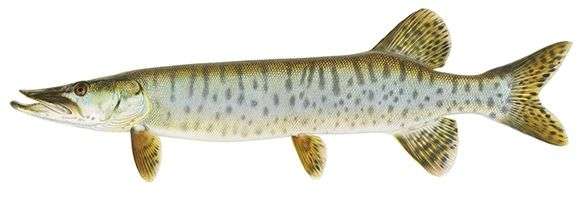
Muskellunge
Muskellunge (Esox Masquinongy) Fish Description
The largest member of the Pike family, the Muskellunge is a freshwater fish from North America. Some people may even mistake it for a Northern Pike because of its duckbill looking snouts. However, there are three distinct differences. The first difference is the tailfin. Unlike the Northern Pike, the Muskellunge has a deeper indention on its tail which makes it look more forked. Next, the patterns on the body. Pikes are mottled; they have spots covering their body. Muskellunges – or Muskies – have stripes or bars, kind of similar to that of a tiger. And finally, the number of pores. Muskellunges have around 6-9 pores under their jaw.
As a member of the Pike family, they share a lot of things with the Northern Pike. One is their long body which makes them more ideal for ambushing. They have a flat head and their fins are set back into their body which helps them boost forward. For colors, Muskellunges can range between light silver, brown, or green with dark tiger-like stripes.
Diet and Size
Muskellunges are decapitators. They ambush their prey and rip its head off, normally swallowing them headfirst. Because they can grow big, Muskellunges can quickly climb to the top of the food chain in any freshwater body they’re in. Some eat insects, rats, mice, the occasional duck, and muskrats.
Muskellunges grow big! On average, they grow up to 2-4 ft and weigh between 15-36 lbs. However, if left alone, these fishes can grow up to a whopping 6 ft and weigh 70 lbs!
Interesting Facts about the Muskellunge
- Muskellunges are commonly killed in Maine.
- Because they are native to the waters in Maine, anglers who catch Muskellunges are advised to get rid of them. They are said to harm the environment.
- Anglers look at Muskellunges as trophy fish.
- Possibly because they put up a good fight and are huge. Who wouldn’t want a 6-foot fish as a trophy?
- Muskellunges love the sun.
- A Muskellunge has needle-like teeth.
- Wisconsin has a Muskellunge as their state fish.
- Because of their ferocity, Muskellunges do not have any known predators.
- Muskellunges are fast swimmers. This is attributed to their body-shape which is really made for getting the initiative on their prey.
Muskellunge – Fishing Techniques: How to Fish for a Muskellunge
Muskellunge is so popular that they have a term called Muskie Fishing just for it. When fishing for a Muskellunge, do not use hooks that have barbs. They are a pain to remove. It doesn’t help that these fish have needle-like teeth so, yanking a barbed hook is going to be a pain.
Next, for the lure, people can use artificial lures. Some choose lures that are large as to bait the Muskellunge into thinking it has a large prey. At the same time, using large lures help in covering more ground especially when you’re just drifting. Once you’ve found your lure, you attach your crankbait to it. Muskellunges usually respond to Crankbaits that wobble a lot.
Another technique is via trolling. Combined with the wobbly Crankbaits, these are usually dropped in weedy areas. Places with underwater reefs and rocky structures are known places where a Muskellunge is known to hide.
Make sure also you have a strong line. These fish are not lightweight and most of all they can snap your line by just clamping their jaws. Some say a 50-lbs test line will do the trick, especially when catching these fishes.
Habitat and Distribution
Muskellunges often loiter near weed edges and rocky shoals. These areas normally have shallow waters where the Muskellunge can be found sunbathing. Look for places that have a lot of vegetation and weeds and you’re bound to find a Muskellunge hiding in wait. They usually stay in Minnesota waters but you’ll have to find out which lakes exactly they’re in.
The best time to catch a Muskellunge is during the Autumn time. They usually hide during colder weathers but become more active during the middle or late summer.
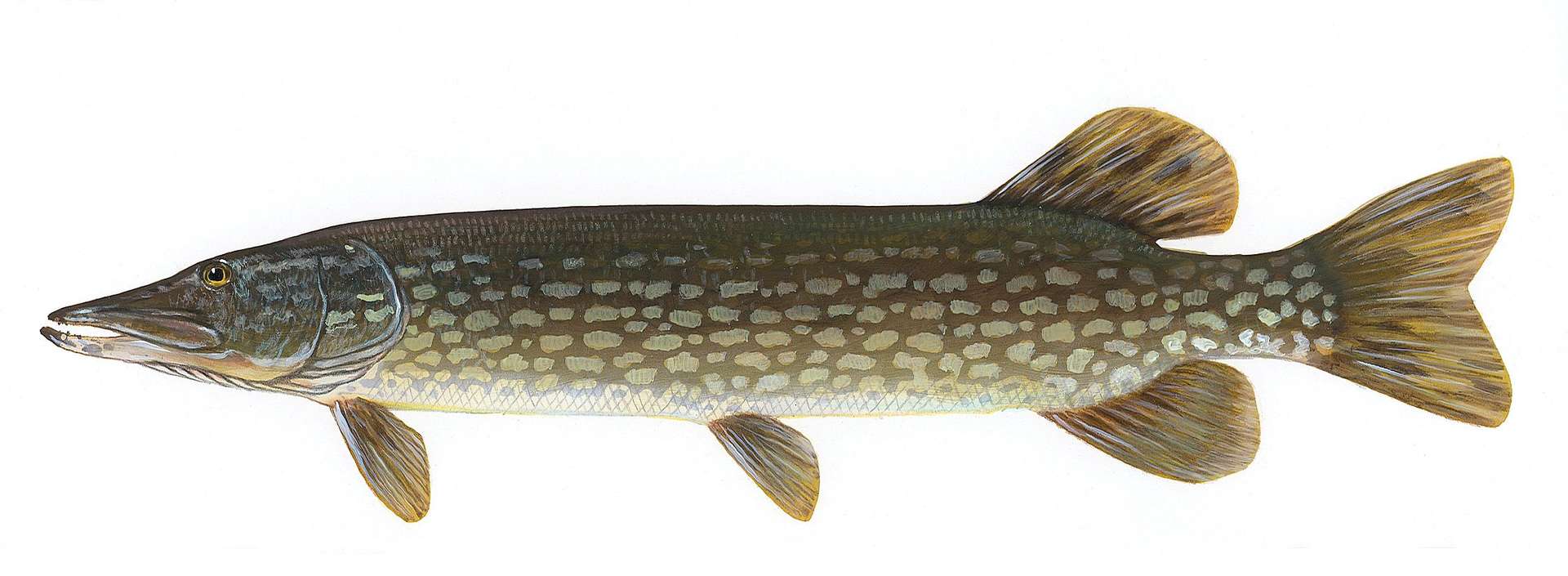
Northern Pike
Northern Pike (Esox lucius) Fish Description
The Northern Pike (Esox Lucius) is a popular freshwater gamefish known for its greedy carnivorous nature. They have an elongated body and a grey to greenish color that fades to a yellowish-white belly. They have distinctive uneven rows of yellowish to white specks that run across its body.
Diet
Northern Pike is an aggressive hunter and not very picky about their food, eating just about anything that comes their way. They prey on other fish, including golden shiners, yellow perch, bluegills, suckers, and even other Northern Pikes. Larger ones have also been known to snatch small waterfowls, frogs, and rodents with their large mouth lined with sharp teeth when these unknowing victims are swimming on the surface or if they get too close to the edge of the water.
Spawning
Northern Pike have a short spawning season, March-April. Since the adults are solitary and highly territorial, they will leave their area and travel inshore or upstream to spawning areas in early spring. Spawning normally occurs during day in shallow, quiet areas with a vegatated bottom. They leave their eggs once they are laid.
Interesting Facts
- They are solitary predators.
- They are mostly territorial.
- The oldest pike on record is 25 years old.
- They are also referred to as freshwater sharks.
- They can lie still for long periods of time.
Northern Pike Speed and Average Size
Northern Pikes are strong swimmers, but they are not actually known for their speed as they can only swim at an average of eight to ten miles per hour. It may not be as fast as other species; it has, however, the ability to sudden high-energy starts that they use for ambushing preys or for escaping life-threatening situations.
The average Northern Pike is 2 feet long and 34 pounds. The largest pike ever caught in the U.S. was reportedly 4 feet 10 inches.
Distribution and Habitat
As the name suggests, Northern Pikes are mostly found throughout the northern half of North America, with a higher population in the Great Lakes, northern New England, eastern New York, Minnesota, and the Ohio Valley. You can also find them in Nebraska and Missouri and as far north as Alaska and Canada.
They live in cool, shallow areas of streams, lakes, and rivers where they have good access to their food. However, in the summer, when waters heat up, they head to the deeper, cooler waters.
Fishing Techniques - How to Catch Northern Pike
A Northern Pike catch can be very rewarding as it’s known to be a tough fighter. You should remember to keep your distance from its mouth as its dagger-like teeth can cause significant damage to anything it can clamp down on.
With its aggressive nature and its strong swimming ability to boot, catching Northern Pike can be a daunting challenge. A 7-foot, medium-action rod paired with a regular spinning reel with a drag system that can stand a maximum of at least 15 pounds is more than enough to handle this fish. Equip your rod and reel with a more durable 15 to 20-pound braided line at the minimum so that the chances of the Pike’s sharp teeth breaking the line will be decreased.
Because these fish are known to be voracious eaters, various lures such as soft plastic swim-baits, inline spinners, and spoons can easily attract the fish. Just make sure to reel in at a slow, consistent speed so that your lure would look like an injured fish. Also, Northern Pikes are known to play with their food, so when you feel a strong tug on your line, don’t reel it in too fast. Just keep reeling at a slow pace and wait patiently for the Pike to strike again.
The ideal place to cast your line out are inlets, bays, coves, and drop-offs that have shallow, marshy areas with an abundance of weeds, as these are where Northern Pikes usually hunt for food.
Walleye
Walleye (Sander Vitreus) Description
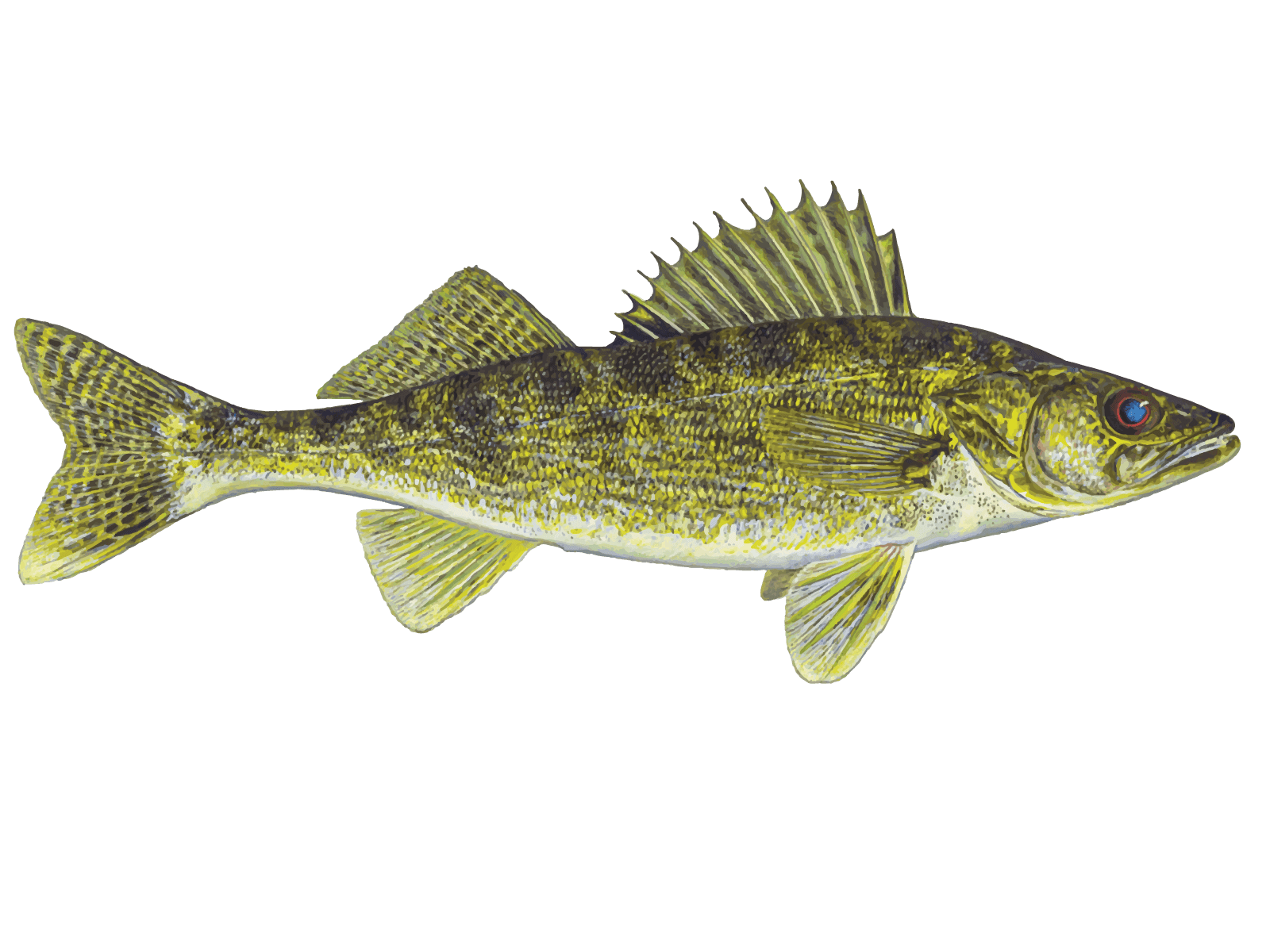
Walleye are freshwater fish that is a part of the perch family. They are a very popular game fish for the angler in the regions where they are found, and also a favorite for the dining table. Walleye are long and thin and have a golden and olive coloring with white bellies. One predominant feature of the walleye is its eyes, which have a silver eyeshine called the tapetum lucidum. This eyeshine greatly aids the walleyes when feeding in low-light conditions.
Walleye Habitat and Distribution

Walleye live in a wide range of habitats. In small to large rivers, to deep and shallow lakes. They are fairly particular to where they like to be in these bodies of water and see out sand, rock, or gravel bottoms. Walleye will usually stay deeper in the water column during daylight hours and use weeds, timber, or other structures for cover. In River systems, they will likely spend their daylight hours in deep holes and drop-offs, and move out into the shallows to seek forage during the lowlight period. Walleyes can tolerate water temperatures from 32 to 90 degrees Fahrenheit but are most comfortable when water temperatures are at 70 degrees. Walleye are nocturnal creatures that feed in shallow waters at night. Adult walleye primarily consume other fish. Small crustaceans and insects, primarily mayflies, are eaten by young walleye.
Walleye are found in the Arctic south of Canada down to the Great Lakes region and east to the St. Lawrence systems. Lake Erie is a well-known home of walleye anglers and great walleye fishing. The Midwest and Canada are the most popular areas with the best fishing, but over decades the species has been introduced artificially into lakes and reservoirs all over North America. The breathtaking waters of Lake of the Woods and Rainy River have earned the title of "Walleye Capital of the World." It has some of the best fishing in the world, and anglers come here year after year in search of that elusive record catch.
Typical Size and Weight
Walleye are reasonably large fish with a sleek and conical body shapes and a mouth lined with sharp teeth. the adult walleye can grow to 30 inches or more in length and top out at around 20 pounds in weight. Females generally grow larger than males.
Interesting Facts
The Walleye also has a European counterpart, the zander, that looks very similar but the zander can grow much larger and can reach a weight of 40 plus pounds.
The walleye can live for decades, with the oldest recorded fish being 29 years old. In areas with heavy fishing pressure however, Walleye usually don’t live past 5 or 6 years of age.
Fishing Techniques - How to Catch Walleye
Walleye can be a challenging game fish to pursue. Their location in a body of water and the tactics used to catch these fish can vary depending on certain times of the year. Walleye generally live at depths of 10 feet or greater, though in the spring and at night they can be found in shallow water areas. Freshwater fishing for walleye is best in the evening when minnow-style lures or jigs are fished near the bottom over rock piles or along the edges of weed beds.
Finding the fish is one of the biggest challenges for the walleye angler and the best place to start it by fishing structure. The angler should search multiple types of structure at varying depths to figure out where the walleye are on any given day. Be sure to check break lines, deep weed edges rock piles, and even in the middle of the basin for suspended schools of baitfish. With a little bit of time on water exploration, you will find the Walleye population.
Live bait is the key to successful Walleye catches such as minnows, nightcrawlers, and leeches. One of the best techniques is a live bait rig, to which you troll your lure slowly along the bottom. These rigs include a ¼ or a ½ pound sinker, a swivel, a 3 - 6 foot leader of a 6-pound fishing line, and a No. 4 or 6 hook.
Is Walleye Good to Eat
Walleye is a delicious fish making it a popular choice among seafood lovers. The mild, flaky texture of the fish along with its sweet, buttery flavor is enough to make anyone's mouth water. This makes walleye an excellent ingredient that pairs well with a wide variety of dishes. Whether you fry or grill it, walleye never fails to impress with its delicious taste. So, if you're looking for a healthy and tasty addition to your meals, walleye is definitely the way to go!
Walleye meat has a firm texture that holds up well to cooking methods such as grilling, frying, or baking. Its mild taste can be enhanced by seasoning it with herbs and spices or marinating it in your favorite sauce. Walleye also has low levels of mercury and other harmful contaminants, making it safe to eat regularly.
When preparing walleye, remove the skin and bones before cooking. This will give you a clean fillet.
However, it's not just its flavor that makes it so popular. Walleye is also a very nutrient-dense food that provides numerous health benefits. It's rich in omega-3 fatty acids, B vitamins, and selenium, all of which are essential for maintaining optimal health. Omega-3s are known to reduce inflammation in the body and improve heart health, while B vitamins play a crucial role in energy production and maintaining a healthy nervous system. Selenium is an important mineral that helps protect against oxidative damage and supports the immune system. By adding Walleye to your diet, you not only get the pleasure of savoring a delicious meal but also the nutritional benefits that come along with it. So, go ahead and indulge in this delectable fish to keep your body healthy and functioning at its best.
About the Alloway Outfitters
%2F%2Fusers%2F4d25e75e-89a4-43a2-9ff0-17bd98cef67f%2Fvehicle_picture%2F481480727_960578099522190_5648641051902540960_n.jpg&w=1920&q=75)
Vehicle Guest Capacity: 6
Manufacturer Name: Evinrude
Maximum Cruising Speed: 50
Number of Engines: 2
Horsepower per Engine: 200